Section 04-04: Wheels and Tires | 1994 Mustang Workshop Manual |
Tire Wear Diagnosis
Tire Inspection
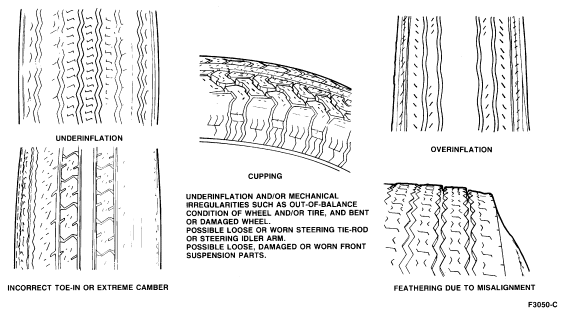
Inspect tires for wear. Abnormal or excessive wear may be caused by
incorrect wheel alignment, wheel/tire imbalance or improper tire pressure.
Typical wear patterns are shown.
Road Test
The road test and customer interview (if available) provide information needed to identify the condition and give direction to the correct starting point for diagnosis.
Torque Sensitive
Condition increases or decreases with engine torque load.
Vehicle Speed Sensitive
Condition increases or decreases with vehicle speed.
Engine Speed Sensitive
Condition increases or decreases with engine rpm.
Do not touch anything until a road test and a thorough visual inspection of the vehicle have been performed. Leave the tire pressures and vehicle load just where they were when the condition was first observed. Adjusting tire pressures, vehicle load or making other adjustments may reduce the condition's intensity to a point where it cannot be identified clearly. It may also inject something new into the system, preventing proper diagnosis.
Make a visual inspection as part of the preliminary diagnosis routine, writing down anything that does not look right. Note tire pressures, but do not adjust them yet. Note leaking fluids, loose nuts and/or bolts, or bright spots where components may be rubbing against each other. Check the luggage compartment or cargo area for unusual loads.