Section 01-00: Body—Service
1994 Mustang Workshop Manual
SERVICE PROCEDURES

Plastic Bumper Covers, Flair Mouldings


Procedure 1—Substrate Cuts or Cracks (Substrate Material Not Removed)

  1. Wipe service area with silicone and wax remover, to ensure clean surfaces.
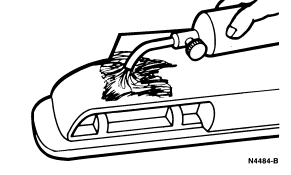
  1. Apply a thin coating of Instant-Adhesive E8AZ-19554-A or equivalent to one surface of the cut or crack. Position the surfaces very carefully together in their original position. Quickly and firmly press the two surfaces together for at least one minute. Good bond strength is developed after one minute but maximum strength requires 3 to 12 hours cure time. Note the precautions on adhesive container.
  1. If the part did not have paint damage and the part was properly positioned, painting may not be required. However, if painting is necessary, proceed as follows:

    NOTE: Elastomeric additive is for industrial use only by qualified personnel. It is not intended for the general public.

    1. Scuff-sand the service area with a sanding block and No. 400 paper. Be careful not to sand through the color coat surface. Usually dulling the surface is sufficient. Wipe off or clean the service area with a clean, dry cloth or an air gun.
    1. Wipe the sanded surface with silicone and wax remover or equivalent.
    1. Refinish as described under Refinishing Flexible Exterior Parts.
 

Procedure 2—Substrate Holes, Gouges and Tears (Substrate Material Removed)
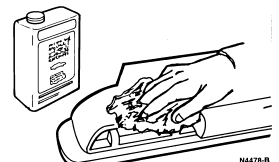
  1. Wipe damaged area with silicone and wax remover to ensure clean surfaces.


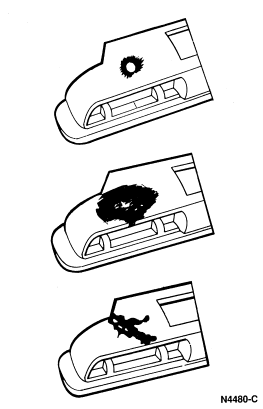
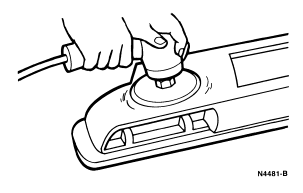
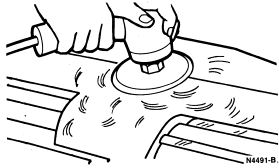
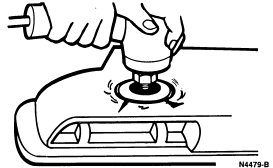
  1. Using a grinder such as Rotunda Dual Action Air Sander 107-01619 or equivalent, or a sanding block with No. 36 Disc or Coarse Abrasive Paper, grind or abrade away sufficient substrate material around the damaged area to maximize adhesion of service material. After initial grinding, the three basic types of service should look as shown.


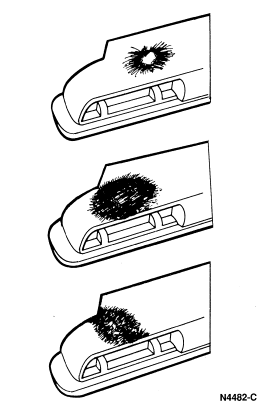
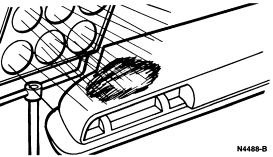
  1. Featheredge the paint around the service area. After featheredging, the three basic types of service should look as shown.


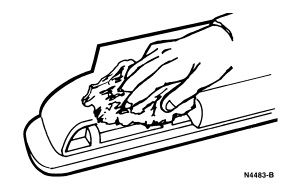
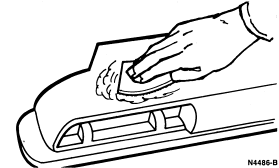
  1. Wipe off or clean the service area with a clean dry cloth or an air gun.


  1. Flame-treat the exposed substrate service area to improve adhesion. A propane torch with a 25.4mm (1 inch) long blue flame kept moving over the surface until the exposed substrate is a light brown color is sufficient. Minimum paint damage will result if the flame is kept moving.


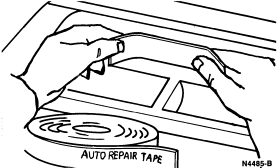
  1. Wipe the underside of the service area with silicone and wax remover and apply Auto Body Repair Tape (3M® No. 6930) or equivalent to underside of service area to backup patch material.


    NOTE: To prevent air bubbles during mixing, the components should be scraped together with downward pressure and spread thinly on the mixing board. Adhesive should be used within two minutes after mixing. Observe safety precautions when handling adhesive.
  1. Using the 3M® Structural Adhesive Tube Kit Part No. 8101 or equivalent, mix the filler material. Carefully follow the instructions on the tubes and the kit container to ensure correct mixing and application of the patch material.
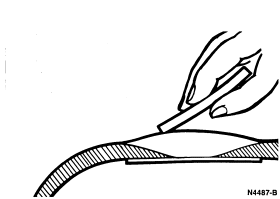
  1. Apply mixed adhesive to area with a squeegee in two steps:


    1. Apply a light coat over entire area and allow to dry.
    1. Mix and apply second coat if required to restore the contour.
  1. In restoring the contour, spread from edges toward center, filling all low areas. If voids, bubbles or low areas occur, mix more adhesive and apply to service area.


  1. Heat lamps or guns may be used to speed drying. However, as excessive heat may damage the substrate, do not use lamps closer than 1-1.5m (4-5 ft) to service area or heat guns at 88°-98°C (190°-210°F) for longer than 20 minutes. A cooking thermometer can be used.


    NOTE: The adhesive can be sanded after the 20 minutes heat (lamp or gun) cure, or after one hour at room temperature 22°C (72°F).

    NOTE: Sanding in two directions tends to lift edges and spoil the service.
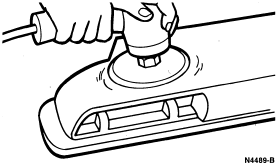
  1. Grind or block sand down to correct contour. Grind with a No. 240 Disc followed by a No. 320 Paper followed by No. 400 Wet or Dry.


    NOTE: Spot or glazing putty cannot be used for elastomeric (soft) grille opening panel service.
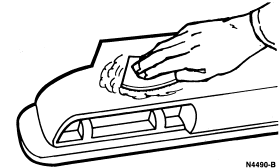
  1. Examine the finish sanded service area and fill any bubbles, holes or low spots with additional adhesive.


  1. The entire panel surface must be scuff sanded (orbital-type disc or block) with No. 320 Disc or paper.


  1. Clean service area by blowing off with an air gun.


  1. Wipe the entire area to be painted with a clean dry cloth or tack cloth to ensure cleanliness.
  1. Apply two or more prime paint coats thinned in accordance with the directions on the paint can. Allow 30 minutes drying time. Finish painting the primed service area in accordance with procedure for minor cuts and cracks.